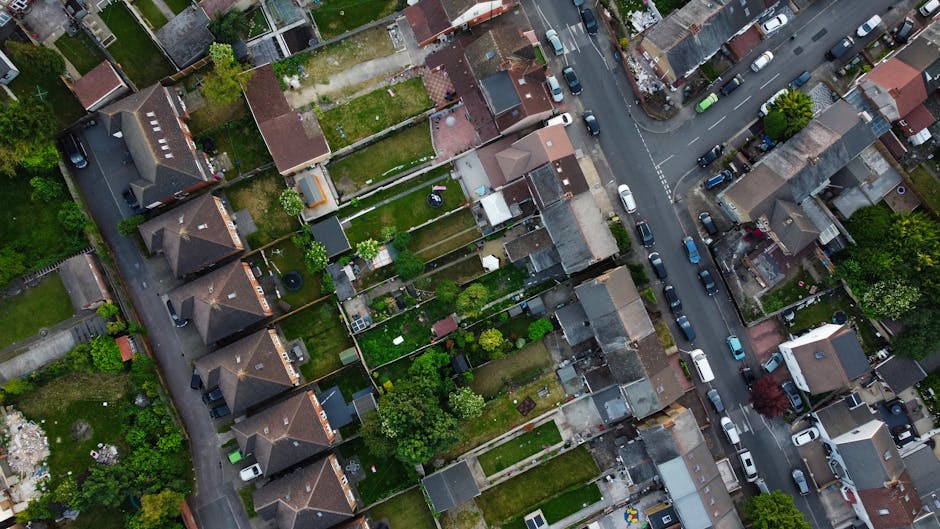
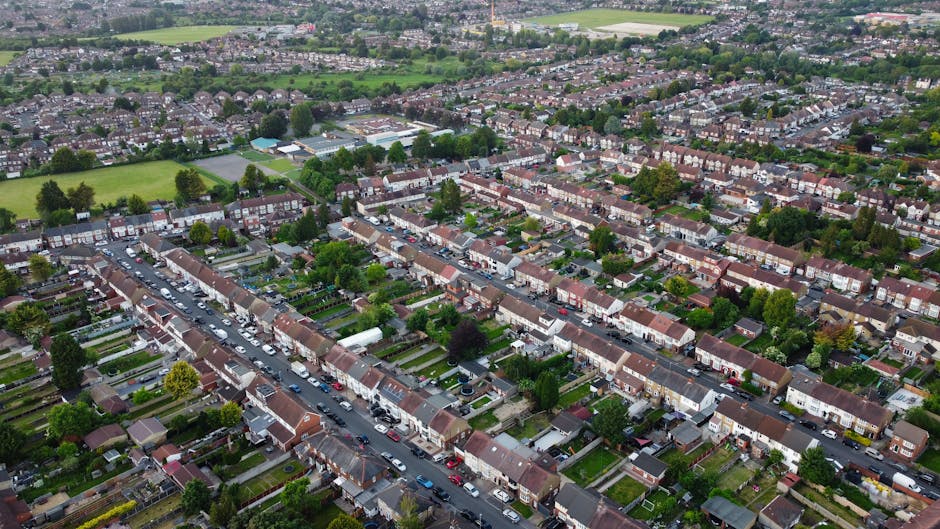
Garden clearance services for George Lane estates Woodford Green: a practical local guide
If you live near George Lane estates in Woodford Green, you already know how quickly a garden can slide from "manageable" to "where on earth do we start?" Garden clearance services for George Lane estates Woodford Green are designed for exactly that kind of job: thick growth, tangled beds, fallen leaves, broken branches, old compost heaps, stubborn weeds, and the general clutter that builds up when life gets busy or a garden has simply been left a bit too long. Truth be told, most gardens don't need a complete redesign first. They need a proper reset.
This guide explains what garden clearance actually involves, how the process works, who benefits most, and how to choose the right approach for an estate setting where access, neighbours, and consistency all matter. Along the way, you'll find practical steps, common mistakes, and a realistic checklist you can use before booking any work.
Table of Contents
- Why garden clearance matters on George Lane estates
- How the clearance process works
- Key benefits and practical advantages
- Who needs this service and when it makes sense
- Step-by-step guidance
- Expert tips for better results
- Common mistakes to avoid
- Tools, resources and recommendations
- Law, compliance, standards and best practice
- Options, methods and comparison table
- Case study or real-world example
- Practical checklist
- Conclusion
- Frequently asked questions
Why Garden clearance services for George Lane estates Woodford Green Matters
Estate gardens are a little different from a single private back garden. They tend to be shared, visible, and used by a mix of residents, visitors, and management teams. So when a space becomes overgrown, the effect is wider. It can block paths, hide edges, trap damp, and make a nice green area feel neglected very quickly.
Garden clearance is not just about making things look neat. On George Lane estates, it can help restore access, reduce trip hazards, improve light, and bring back the sort of tidy, cared-for feel that supports the whole property. It also makes later work-such as hedge trimming, lawn care, or landscaping-far easier to plan and much more effective.
A lot of people wait until a garden becomes a problem before dealing with it. We see that all the time. A patch of ivy gets thicker, weeds take hold, bins get surrounded by clippings, and suddenly there is more to do than a weekend can handle. Clearance services step in at that point and take the pressure off.
If your estate garden has started to feel unruly after winter, after a tenancy change, or simply after months of growth, a targeted reset can make a big difference. For broader seasonal care, it can also help to keep an eye on guidance such as winterproofing your plants with expert tips and protecting the garden from severe weather, because the best clearances are the ones that set the space up for the months ahead.
How Garden clearance services for George Lane estates Woodford Green Works
A proper garden clearance is more methodical than people expect. It is not just "cut everything down and chuck it away." A careful team will usually start with a walk-through to understand what needs removing, what should stay, and whether there are awkward access points, communal walkways, fragile planting, or stored items to work around.
The work often begins with the obvious jobs: cutting back overgrowth, removing dead plant material, lifting weeds, collecting fallen branches, and clearing out debris from borders, corners, and behind sheds or edging. Then comes the less visible part-sorting waste, separating green material where possible, and leaving the site safe and ready for whatever follows.
Depending on the condition of the space, clearance may also involve:
- removing brambles, nettles, and invasive growth
- lifting damaged or unwanted plants
- cutting back overhanging shrubs or hedge edges
- stripping out old mulch or rotting debris
- tidying borders before replanting
- disposing of organic waste responsibly
In estate settings, the important bit is coordination. You often need work done without causing disruption to residents, parked cars, shared access routes, or bins. So a good clearance plan is not only about garden technique; it is about timing, safety, and sensible sequencing.
If the clear-out is part of a bigger refresh, you may want to line it up with wider services such as routine garden maintenance, landscaping support, or fencing improvements. Once the heavy lifting is done, those follow-up jobs are much easier to judge properly.
Key Benefits and Practical Advantages
The benefits go beyond a cleaner-looking plot. In fact, that is often the least interesting part.
- Safer walkways: Clearing loose branches, brambles, and overgrowth reduces trip hazards and improves sightlines.
- Better access: Paths, bins, communal seating areas, and side returns become easier to use.
- Healthier planting conditions: Removing dead matter and choking weeds helps existing plants breathe and grow.
- Less pest pressure: Damp piles of debris can attract unwanted pests and make maintenance harder.
- Faster future upkeep: A tidy baseline means regular maintenance takes less time and costs less effort.
- Improved appearance: A cleared garden often feels lighter, bigger, and more welcoming straight away.
There is also a psychological benefit, and yes, that matters. A neglected garden can make residents feel as though nobody is looking after the place. A cleared and reset space does the opposite. It quietly says: this place is cared for.
For some estates, clearance also creates room for more usable design choices later on. Maybe you want low-cost, easy-care planting, or perhaps a simple privacy screen using fast-growing plants. If that is on the horizon, the article on fast-growing plants for privacy screening is useful for thinking beyond the initial tidy-up.
Who This Is For and When It Makes Sense
This service makes sense for a wide range of people and situations. It is not just for "jungle gardens," though those are certainly part of the picture.
You might need estate garden clearance if:
- the garden has been left untouched for months or longer
- there has been a tenant move-out or void period
- shared outdoor areas have become cluttered or unsafe
- you are preparing for ongoing maintenance or a makeover
- ivy, brambles, or weeds have started taking over boundaries
- the space needs a seasonal reset after autumn or winter
Let's face it, some jobs are too big to tackle in odd spare hours after work. If you need the whole place brought back to a workable state, a structured clearance is usually the sensible route.
It is also a smart first step if you are thinking about redesigning the area for children, pets, or calmer everyday use. A cleared garden is much easier to shape into something functional, whether that means a family-friendly layout, seating, or a quieter, more zen feel. For ideas, the guides on child-friendly landscape design and harmonious zen garden concepts can spark a few practical directions.
Step-by-Step Guidance
If you are planning garden clearance services for George Lane estates Woodford Green, it helps to think in stages rather than one giant task. That way, you stay in control of budget, timing, and results.
- Walk the site carefully. Identify overgrowth, obstructions, waste piles, damaged plants, and anything that should be protected.
- Set the priority order. Clear access routes first, then tackle the heaviest growth, then move to border detail and waste removal.
- Remove bulky debris. Branches, bags, broken planters, and loose garden rubbish should come out early so the space opens up.
- Cut back and thin out. Reduce dense growth without stripping every plant back to bare soil unless that is genuinely needed.
- Deal with weeds and invasives. Persistent roots and self-seeding weeds need proper removal, not just a surface chop.
- Rake, sweep and finish. The final tidy matters. It is the difference between "cleared" and "properly cleared."
- Plan the next step. Decide whether the space needs lawn care, hedge trimming, planting, or ongoing maintenance.
A small but useful tip: take photos before and after. Not because it is glamorous, obviously, but because shared spaces can look different from one angle to another. Photos help show what has changed and what still needs attention.
If your clearance plan includes hard surfaces or decking edges, a quick tie-in with patio cleaning or decking services can stop the whole place looking half-finished. A tidy garden beside a grimy path is a bit like ironing one shirt sleeve. Close, but no.
Expert Tips for Better Results
Good clearance is partly about muscle and partly about judgement. Here are the details that tend to make a real difference.
- Start with access, not aesthetics. It is tempting to chase the prettiest visible area first. Better to make the site workable, then refine it.
- Keep root systems in mind. Cutting tops off weeds or climbers without checking the roots can invite rapid regrowth.
- Protect useful planting. Mature shrubs or climbers that still serve a purpose should be handled carefully, not hacked down in the same way as waste growth.
- Watch for ivy on walls and boundaries. It can look harmless until it starts gripping harder than expected. For a deeper dive, see effortless ivy removal keys to permanent success.
- Schedule around the weather. Damp conditions make some clearances messier and more slippery; dry spells can make waste handling easier.
- Leave room for ground cover or low-maintenance planting. In some spaces, a cleared border is a good chance to choose easier long-term options. The post on ground covers for UK gardens is a handy reference.
One more thing: if your estate has a mix of sunken spots, shaded corners, and windy edges, think ahead. A good clearance is not only about removal. It is about setting the garden up so it behaves better next month than it did last month.
Common Mistakes to Avoid
Most clearance problems come from moving too fast or skipping the boring-looking bits. That is where the trouble hides.
- Stripping everything without a plan: You can accidentally remove useful structure or plants that were worth keeping.
- Ignoring hidden waste: Old pots, broken edging, and debris behind shrubs often get missed the first time.
- Leaving cut material in damp piles: That can encourage rot and make the garden look messy again very quickly.
- Underestimating root regrowth: Some weeds and climbers need repeated attention, not just one pass.
- Forgetting the whole estate picture: A tidy patch next to an untouched one can make the property feel uneven rather than cared for.
There is also a common mindset issue: people think a big clearance is "just a one-off". In reality, it often works best when it links into ongoing care. If the cleared space is meant to stay healthy, something needs to follow it. A seasonal schedule, maybe. A bit of lawn care. A little hedge trimming. Nothing dramatic, just consistent.
Tools, Resources and Recommendations
The right tools depend on the condition of the site, but a sensible clearance kit usually includes cutting tools, rakes, heavy-duty bags, gloves, and something for safely moving bulky waste. For anyone tackling a larger job, a proper gear check makes life a lot easier. The article on gardening gear essentials is worth a look if you want to compare what is useful versus what merely fills the shed.
Useful supporting services can also make the whole project smoother:
- tree surgery for overhanging limbs, deadwood, or awkward canopy issues
- hedge trimming for boundary lines that have become overgrown
- lawn mowing when grass has become uneven or too long to manage easily
- lawn care when the grass needs more than a quick cut
- general gardening services for follow-on work after the main clearance
If you are weighing up costs and scope, it helps to ask what is included in waste removal, whether access constraints change the price, and whether the quote covers both clearance and finishing. A detailed estimate is far better than a vague one. Always.
Law, Compliance, Standards and Best Practice
Garden clearance work in a residential estate setting should be handled with care for safety, waste, neighbour relations, and property boundaries. While the precise obligations can vary depending on the site and the contractor arrangement, there are a few sensible UK best-practice expectations to keep in mind.
First, waste should be handled responsibly. That means not dumping cuttings where they can blow around, block drains, or create nuisance for other residents. It also means separating green waste and general rubbish where appropriate. If materials are being removed from site, the process should be clear and lawful.
Second, safety matters. Shared spaces can bring trip hazards, uneven ground, hidden objects, and restricted access. Clear communication, careful working methods, and suitable protective equipment are all part of a professional approach. You can review a provider's approach through pages like insurance and safety information and the health and safety policy to understand how they think about risk.
Third, if the work affects communal areas, good practice usually involves minimising disruption, protecting entrances and paths, and leaving the space clean at the end of the job. That sounds obvious, but you'd be surprised how often "clearance" stops right before the final tidy. Which is a shame, because the final tidy is what makes the difference.
For general trust and transparency, it is also sensible to review the company's terms and conditions, privacy policy, and payment and security details before going ahead. If you prefer to understand how a company handles service concerns, the complaints procedure is worth checking too.
Options, Methods and Comparison Table
Not every garden needs the same level of intervention. Here is a simple comparison to help you decide what kind of clearance fits the job.
| Method | Best for | What it includes | Typical outcome |
|---|---|---|---|
| Light tidy clearance | Recent growth, leaf fall, minor weeds | Raking, edging, basic waste removal, small cut-backs | Quick lift in appearance, easier maintenance |
| Full garden clearance | Overgrown plots, neglected estate spaces, void-period gardens | Brambles, weed removal, debris collection, pruning, disposal | A near-reset ready for follow-on work |
| Clearance plus restoration | Spaces needing long-term improvement | Clearance, shaping, soil prep, replanting, surface cleaning | A usable and more coherent garden again |
The right option depends on how the space is used. For example, a tidy communal border may only need a light clearance and routine upkeep. A heavily overgrown side garden near the estate edge may need a full reset before anything else can be done.
Case Study or Real-World Example
Imagine a small group of estate gardens off George Lane after a wet, blustery stretch of weather. Leaves have packed into corners. A climbing plant has reached into a fence line. One path has become a bit awkward to walk through, especially if you are carrying shopping or pushing a buggy. Nothing dramatic on its own, but together it creates a space people stop using.
The first stage is access. Clear the route, remove loose branches, and get rid of the debris sitting in obvious problem spots. Then cut back the overgrowth around the edges, lift out the worst weeds, and deal with the ivy before it digs in further. Once the area is opened up, the difference is immediate. Light reaches the borders again. The path feels wider. The whole estate space looks more intentional.
From there, a sensible follow-up might be to introduce low-maintenance planting, re-edge the borders, and set a regular schedule for hedge trimming and lawn care. In other words: one good clearance becomes the foundation for a much easier year. That is the real win.
And yes, sometimes people are surprised by how much of a transformation comes from removing things rather than adding them. Very unglamorous, but effective. Almost annoyingly so.
Practical Checklist
Use this checklist before booking or starting garden clearance work on a George Lane estate.
- Confirm which areas need clearing and which should be protected
- Check access for tools, trolleys, and waste removal
- Note any fragile planting, lighting, or shared fixtures
- Identify overgrown sections, weeds, ivy, and fallen debris
- Decide whether the job is a tidy-up or a full reset
- Ask what happens to green waste and general rubbish
- Clarify whether follow-on work is included or separate
- Review safety, insurance, and payment information
- Plan the timing around residents, parking, and weather
- Set a maintenance plan so the space does not slide back again
That last point matters more than people think. A good clearance without follow-up can unravel surprisingly fast. A little regular upkeep goes a long way.
Get a free quote today and see how much you can save.
Conclusion
Garden clearance services for George Lane estates Woodford Green are about far more than removing a few weeds and bagging clippings. Done well, they restore access, reduce hazards, improve the appearance of shared outdoor space, and create a clean starting point for ongoing maintenance or a bigger garden plan.
If your estate garden has started to feel tired, cluttered, or difficult to use, a careful clearance is often the best first move. It is practical, it is visible, and it gives everyone living there something better to walk through every day. Small improvements add up. Sometimes a lot.
When the space feels calm again, even a grey London morning looks a little kinder.
Frequently Asked Questions
What does garden clearance usually include on an estate property?
It typically includes removing overgrowth, weeds, fallen branches, unwanted plants, and general garden debris. In many cases, it also involves cutting back brambles, ivy, and boundary growth, then leaving the area tidy and safe.
How is estate garden clearance different from a standard domestic tidy-up?
Estate clearance usually involves shared access, more visible spaces, and a need to minimise disruption for neighbours and residents. The work often needs better coordination, cleaner finishing, and a clearer waste-handling plan.
Can garden clearance be done in winter or wet weather?
Yes, but conditions matter. Wet weather can make surfaces slippery and waste handling messier, so timing should be chosen carefully. In some cases, a dry day makes the job far quicker and safer.
Do I need both garden clearance and ongoing maintenance?
If you want the space to stay tidy, usually yes. Clearance resets the garden, while maintenance keeps it under control. Without follow-up care, weeds and overgrowth can return sooner than expected.
What happens to all the waste after clearance?
That depends on the contractor and the agreed service, but waste should be collected and handled responsibly. Green waste, general rubbish, and bulky items may need to be sorted separately depending on the job.
How long does a full garden clearance take?
It depends on the size of the area, the amount of growth, and how much waste is involved. A small tidy-up can be relatively quick, while a heavily overgrown estate garden may take much longer and require multiple stages.
Will garden clearance damage plants I want to keep?
It should not, if it is planned properly. A careful clearance team will identify useful planting before cutting anything back and will work around shrubs, trees, and borders that are meant to stay.
Is ivy removal part of garden clearance?
Often yes, especially if ivy is spreading over fences, walls, or borders. Persistent ivy can need more than a simple trim, so it may be handled as a specific task within the clearance job.
Should I get a quote before booking clearance work?
Absolutely. A clear quote helps you understand what is included, how waste is handled, and whether any extra work such as hedge trimming or lawn care will be charged separately.
What should I ask before choosing a provider?
Ask about the scope of work, waste removal, access requirements, insurance, timing, and whether they can support follow-on services. It is also sensible to check how they handle safety and customer concerns.
Can garden clearance help prepare for a garden makeover?
Yes, very much so. Clearing away the clutter gives you a clean base for new planting, layout changes, seating, privacy screening, or broader landscaping work. It is usually the best place to start.
How do I keep the garden from becoming overgrown again?
Regular maintenance is the key. A mix of seasonal cutting back, weed control, lawn care, and light inspections after windy or wet weather usually prevents the space from slipping back into neglect.