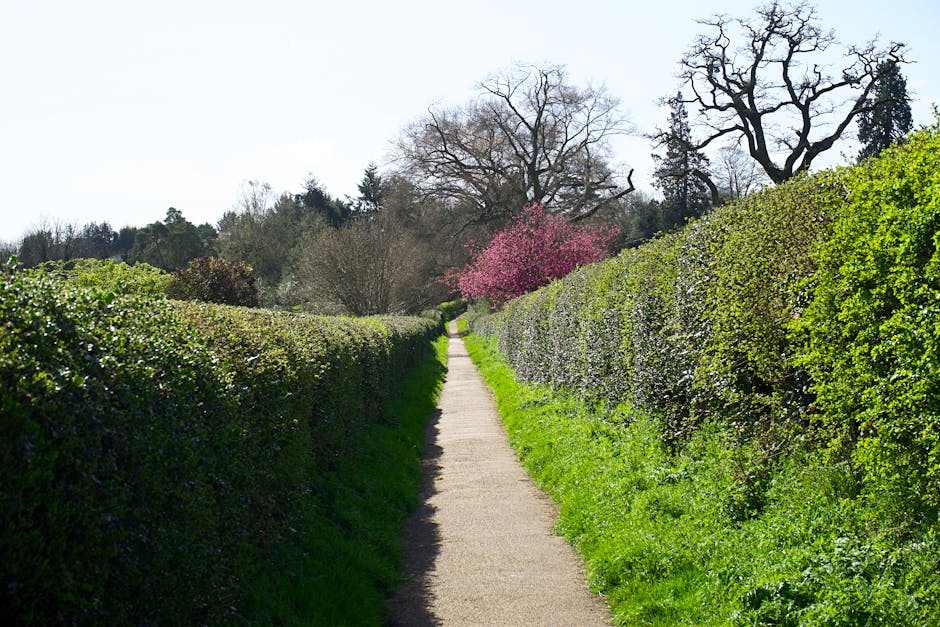
Local gardeners for Roding Valley Park borders and hedges
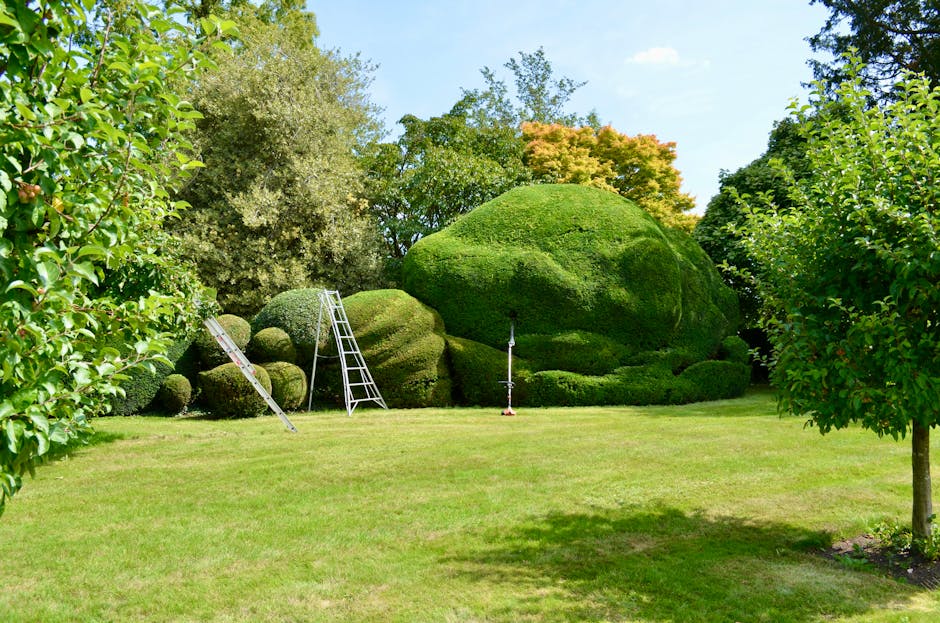
If you live near Roding Valley Park, you already know the charm of the green edges around the area. They soften hard boundaries, frame paths, and make a garden feel settled rather than chopped up. But borders and hedges are also the parts most likely to drift out of shape, get weedy, or start looking tired after a wet winter and a windy spring. That is where local gardeners for Roding Valley Park borders and hedges can make a real difference. They understand the rhythm of local gardens, the pressure of shade and damp, and the small details that keep a border crisp and a hedge healthy.
This guide looks at what good border and hedge care actually involves, how it works in practice, and how to judge whether a gardener is the right fit for your space. Along the way, you will find practical steps, common mistakes, and a realistic checklist you can use before you book anyone in. Nothing fluffy. Just the stuff that helps.
Why local border and hedge care matters
Borders and hedges do more than look neat. They shape how you move through a garden, protect planting areas from wind, and create the sense of structure that makes everything else easier to manage. Near Roding Valley Park, gardens often sit within a mix of mature trees, open exposure, and changing light. That combination sounds lovely, and it is, but it also means borders can become patchy and hedges can thicken unevenly if they are left alone too long.
Local gardeners tend to spot those patterns faster than someone unfamiliar with the area. They will know that one side of a hedge may get more shade, that a border near a boundary can dry out unevenly, or that moss and weeds can creep in where foot traffic is higher. Small things, but they add up.
There is also the simple matter of timing. In the UK, hedge trimming, pruning, mulching, and weeding all work best when done at the right point in the season. Leave it too late and you end up with a bigger job, more cuttings, and a garden that looks slightly neglected just when you want it to feel welcoming. If you want a broader view of tidy, low-maintenance structure, our guide to low-cost, easy-care garden improvements is a useful companion read.
Expert summary: Borders and hedges succeed when they are maintained as living systems, not just clipped surfaces. Good local gardeners look at soil, light, season, shape, and access together. That is the real difference.
How local border and hedge care works on the ground
In practice, border and hedge work usually starts with a walk-through. A gardener will look at plant density, hedge species, soil condition, drainage, weed pressure, and how much shape correction is needed. They may also ask how you use the garden. Are the edges decorative, privacy-focused, pet-friendly, or meant to stay low maintenance? That answer changes everything.
A proper visit often leads to a plan built around a few core tasks:
- Border clearing - removing weeds, old stems, fallen leaves, and anything smothering the planting scheme.
- Edge definition - sharpening the line between lawn, path, gravel, or planting bed.
- Hedge trimming - shaping the hedge for balance, light, and thickness, not just height.
- Soil care - mulching, feeding, or improving weak patches so the border stays productive.
- Plant replacement or rearrangement - refreshing tired plants or thinning overcrowded sections.
For hedges specifically, the method depends on the plant. A dense evergreen hedge may need careful trimming to preserve privacy and avoid bare spots, while a more informal mixed border hedge might be cut with a lighter hand so it keeps a softer shape. If your hedge is also serving as screening, it may help to read about fast-growing privacy plants and the broader principles behind professional hedge trimming.
A gardener should also work with the right tools for the job. That sounds obvious, but it is where a lot of DIY efforts go a bit sideways. A blunt trimmer can tear rather than cut. Poorly cleaned tools can spread disease. And if a hedge is overworked in one go, it may take months to recover. Not ideal, frankly.
Key benefits and practical advantages
Hiring local gardeners for border and hedge work is not just about saving time, though that is a big part of it. The benefits are more layered than that.
- Better shape and structure: A clean border line and a well-formed hedge make the whole garden feel organised.
- Healthier plants: Thinning, pruning, and correct cutting encourage air flow and reduce stress on plants.
- Less weed pressure: Regular attention prevents weeds from taking root and turning a tidy bed into a weekly battle.
- Improved light and access: Cutting back the right way can bring more sun into shaded borders and make paths easier to use.
- Longer-lasting results: A skilled gardener tends to solve the underlying issue, not just the surface mess.
There is also a quieter benefit that people often notice only after the job is done: the garden feels calmer. You walk out in the morning and the border looks settled. The hedge no longer leans over the path. There is a little more breathing room. That matters more than people think.
For gardens with mature planting, a good gardener can also help protect the design intent. A border should not become a random collection of stragglers. It should still read as a border. If you are thinking about adding texture and depth, the article on ground covers for British gardens is worth a look, especially for the awkward gaps that tend to appear at the front edge of beds.
Who this is for and when it makes sense
This kind of support suits a wider range of people than you might expect. It is not only for large gardens or fussy front drives. It is often the sensible choice for everyday spaces that just need steady care.
- Homeowners with boundary hedges that are getting too tall, too wide, or too woody.
- People with decorative borders who want the planting to stay intentional rather than overgrown.
- Busy families who like the garden but do not want another weekend task hanging over them.
- Older homeowners who would rather leave heavy pruning or repeated border clearing to someone else.
- New homeowners who have inherited a garden that needs a clean reset.
- Landlords and property managers who want external areas to stay presentable and safe.
It makes sense when you notice one of these signs:
- the hedge is starting to block light or encroach onto a path
- the border has become a magnet for weeds
- plants are overcrowded and flowering less
- you are trimming the same hedge repeatedly but never really improving it
- the garden looks tidy from a distance, but messy close up
Truth be told, that last one is very common. A garden can look fine from the kitchen window and still need proper attention at ground level.
Step-by-step guidance
If you are planning work on borders and hedges, a clear process helps. Here is the usual order that leads to the best results.
- Assess the site honestly. Look at height, spread, weed load, shade, and how much access the gardener will need.
- Decide on the outcome. Do you want a hard clipped look, a softer garden edge, privacy, or just easier maintenance?
- Choose the right timing. Some hedges tolerate light trims through the growing season, while others need more measured cuts. Seasonal judgement matters.
- Clear the base area. Remove dead plant material, accumulated leaves, and weeds before shaping anything else.
- Trim gradually. Take a little, check the shape, then take a little more. Hedge work is not a race.
- Rebuild border structure. Re-edge, mulch, and replant any thin sections so the design looks complete.
- Walk the job from several angles. What looks straight from one side may feel off-balance from another.
- Set the next maintenance date. That is the bit people often forget, and then the cycle starts again.
A small but useful clarification: a border refresh does not always mean replacing plants. Sometimes the answer is better spacing, better mulch, or simply removing a few bullies that have taken over. Less drama, better result.
Expert tips for better results
Here are the details that separate a decent outcome from a really good one.
1. Treat hedges as living walls, not green fences
The temptation is to make everything flat and severe. But many hedges look healthier with slight tapering, wider at the base than at the top. That shape lets light reach the lower growth and helps prevent the bottom from thinning out. You will notice the difference by late summer if the hedge is growing well.
2. Use border depth to make the garden feel larger
Instead of packing every plant in a tight line, build the border in layers: taller plants at the back, mid-height texture in the middle, and lower edging plants at the front. If you need ideas for this kind of layering, the piece on evergreen climbers for shady corners can spark a few useful combinations, especially in darker garden corners.
3. Keep soil covered where possible
Bare soil invites weeds and dries out quickly. A good mulch helps regulate moisture, feed the soil, and make the border look finished. For many gardens, this is one of the simplest wins. Not glamorous, perhaps, but very effective.
4. Don't let the hedge decide the job for you
If a hedge is too large, do not just keep shearing the outside. That can make a thick shell with bare inner branches. The right approach may be gradual reduction over more than one visit. Patience helps. A lot.
5. Watch wind exposure
Near open stretches or exposed boundaries, a border can dry out fast and a hedge can take a beating. Some local gardeners will stagger plant support, adjust watering, or advise slightly harder pruning before winter. If you are dealing with strong gusts, the article on making a garden calmer in windy conditions is a sensible companion.
Common mistakes to avoid
Most border and hedge problems are not dramatic failures. They are small habits repeated over time.
- Cutting too much at once: This can leave visible gaps or weaken the plant.
- Ignoring hedge width: Height gets attention, but width matters just as much for access and light.
- Leaving weed roots behind: Snipping tops off weeds is a short-lived victory. They usually return.
- Forgetting seasonal timing: Some plants respond badly to untimely pruning, especially in colder weather or during nesting periods.
- Using one routine for every hedge: Species, age, and site conditions change the approach.
- Letting borders become cluttered: Too many plant types packed too closely can make maintenance harder and visuals weaker.
There is another mistake worth mentioning: not asking what the long-term plan is. A hedge can be rescued, yes, but do you want it maintained as a formal screen, softened into a looser boundary, or gradually replaced? That decision changes the work and the cost.
Tools, resources and recommendations
You do not need a shed full of specialist gear to keep borders and hedges in good order, but the right tools do matter. Good local gardeners usually arrive prepared, and if you are doing small tasks yourself between visits, a compact kit helps.
- Secateurs and loppers for smaller stems and precise cuts
- Hedge trimmer for larger, regular shaping jobs
- Edging tool to keep the line between lawn and border clean
- Gloves and eye protection because hedge clippings have a habit of flying everywhere
- Wheelbarrow or trug for debris removal
- Mulch or compost for border finishing and moisture retention
If you are building a more low-maintenance garden around the edges, it also helps to think about planting choices. The article on healthy container planting is useful where beds are narrow or conditions are awkward, and the guide to weed management can help if the main battle is simply keeping the border under control.
For bigger overhauls, a broader maintenance plan often makes more sense than a one-off tidy. That is where services like garden maintenance and general gardening services become more useful than you first expect.
Law, compliance and best practice
Border and hedge work is usually straightforward, but there are a few sensible standards to keep in mind. In the UK, a careful gardener should work with attention to safety, neighbouring properties, and seasonal wildlife considerations. If a hedge sits near a boundary, it is wise to check exactly where the line is before doing any heavy reduction. It avoids awkward conversations later. Nobody wants that.
Professional gardeners should also use safe working practices around ladders, trimmers, sharp tools, and green waste. If you are hiring help, it is reasonable to ask whether the work is covered by appropriate insurance and whether the team follows a documented safety process. That is not being difficult. It is normal due diligence.
For gardens with mature trees or larger overgrowth near the border, a little more caution is sensible. Some hedge lines are tangled with tree growth, ivy, or old stems that need a different approach. If that sounds familiar, you may find the articles on ivy removal and tree surgery especially relevant.
Best practice also includes proper waste handling, clear communication about access, and realistic expectations about plant recovery. A hedge that has been neglected for years will not look perfect after one visit. It can look much better, certainly, but living things need a bit of time. That is just how it goes.
For reassurance around working standards and service processes, you may also want to review the company's insurance and safety information and health and safety policy.
Options, methods and comparison table
Different gardens need different approaches. A clipped evergreen hedge near the front path is not the same job as a mixed border at the back of a shaded garden. This comparison should help you think clearly about which method fits best.
| Approach | Best for | Pros | Trade-offs |
|---|---|---|---|
| Regular light trimming | Healthy hedges, defined borders, tidy appearances | Maintains shape, avoids big shocks, easier to manage | Needs consistency; can be missed if you get busy |
| Seasonal deep tidy-up | Overgrown edges, neglected borders, reset jobs | Fast visual improvement, clears access, restores order | May take follow-up work to maintain the result |
| Border redesign | Patchy planting, awkward shapes, repeated weed problems | Solves layout issues and improves long-term maintenance | Costs more time and planning than a simple tidy |
| Targeted rescue work | Specific problem spots like dead sections or ivy takeover | Focused, efficient, good for problem-solving | Does not always address the wider border structure |
If your garden is already edging toward a redesign, the piece on starting a garden makeover may help you decide whether to refresh, reshape, or rebuild part of the space.
Case study or real-world example
Here is a realistic example from the sort of job that comes up again and again. A homeowner near the park had a front hedge that looked fine in winter but sprawled during late spring. The border underneath had become packed with grass, a few weeds, and a couple of plants that were not really surviving the shade. From the pavement, the space looked merely untidy. Up close, it felt a bit defeated.
The gardener started by clearing the base, removing weak growth, and correcting the hedge shape without taking too much off the top. The border was then re-edged, mulched, and replanted with sturdier, shade-tolerant plants at the front. Nothing dramatic. No grand transformation speech. Just careful work done in the right order.
By the end, the hedge read as a boundary rather than a blob, and the border looked deliberate again. The best part? The maintenance burden dropped because the plants had room to breathe and the hedge no longer kept collapsing into the path. That is the kind of result people often want but do not always know how to ask for.
If privacy is part of the brief, there is a useful overlap here with privacy screening ideas and the practical options available through fencing services when a living boundary needs a structural partner.
Practical checklist
Use this before booking or before starting work yourself.
- Check the hedge height, width, and overall condition.
- Look for weeds, bare patches, or compacted soil at the border base.
- Decide whether the goal is maintenance, reshaping, or a bigger redesign.
- Confirm which side of the boundary the work affects.
- Note any areas with shade, wind exposure, or poor drainage.
- Identify whether the hedge is evergreen, deciduous, formal, or mixed.
- Ask how cuttings and green waste will be removed.
- Make sure access gates, paths, and working space are clear.
- Think about whether the border needs mulch, feeding, or replanting.
- Set a follow-up interval so the garden does not drift back into the same state.
Quick takeaway: if you want borders and hedges to stay attractive near Roding Valley Park, aim for regular light maintenance, the right seasonal timing, and a gardener who understands both plant health and the look you are trying to keep.
Conclusion
Well-kept borders and hedges do not just make a garden look tidy. They shape how the whole space feels to live in. Near Roding Valley Park, where gardens often juggle shade, wind, and fast-growing greenery, local knowledge really pays off. A gardener who understands those conditions can save you time, improve plant health, and turn a scruffy edge into a strong part of the design.
If you are weighing up what to do next, start with the problem that annoys you most. Is it the hedge blocking light? The border filling up with weeds? The odd, unfinished look around the lawn edge? Once you name the issue clearly, the solution usually becomes much simpler. And honestly, that is half the battle.
Get a free quote today and see how much you can save.
When the borders settle and the hedges sit right, the garden changes quietly. It feels cared for. That kind of calm is worth chasing.
Frequently Asked Questions
What do local gardeners for Roding Valley Park borders and hedges actually do?
They typically handle hedge trimming, border clearing, edging, pruning, weed removal, mulching, and sometimes border reshaping or plant replacement. The exact work depends on your garden's condition and the look you want to keep.
How often should hedges near Roding Valley Park be trimmed?
It depends on the hedge species and how formal you want the shape to be. Some hedges need a couple of light trims during the growing season, while others only need seasonal attention. A good gardener will advise based on the plant, not guess.
Can a gardener fix a border that is full of weeds and bare patches?
Yes. In many cases, the first step is clearing weeds properly, then improving the soil, re-edging, and adding mulch or new planting. A tidy border is rarely just about cutting things back; the ground underneath matters too.
What is the difference between hedge trimming and hedge reduction?
Trimming maintains the existing size and shape. Reduction is more involved and lowers the overall height or width. Reduction needs a careful approach so the hedge does not become stressed or patchy.
Is it better to do borders and hedges myself or hire a professional?
If the work is small and regular, DIY can be fine. But if the hedge is tall, overgrown, or near a boundary, hiring a professional is often safer and more efficient. It also tends to look better, which matters more than people admit.
What should I ask before booking a gardener for hedge and border work?
Ask what is included, how waste will be removed, whether they have insurance, what tools they use, and whether they will advise on long-term maintenance. Those questions save a lot of confusion later.
Will heavy hedge cutting damage the plants?
It can, if too much is removed at once or if the work is done at the wrong time. Some hedges tolerate stronger pruning than others. A cautious, staged approach is usually safer than a hard cut all in one go.
Do borders need mulch every year?
Not always, but many borders benefit from regular top-ups. Mulch helps reduce weeds, conserve moisture, and improve the appearance of the bed. If the border is exposed or sandy, it can be especially useful.
Can local gardeners help with privacy problems as well as appearance?
Yes. Hedges often play a privacy role, and gardeners can shape or thicken them while also keeping the garden looking balanced. If the hedge alone is not enough, fencing or mixed screening may also help.
What happens if my hedge is mixed with ivy or tree growth?
That usually needs a more careful plan. Ivy can hide damage and make access awkward, while tree growth may require a different level of expertise. In those cases, it is worth looking at related services or asking for a more detailed assessment first.
How do I keep borders looking good between visits?
Keep an eye on weeds, water new plants properly, clear fallen debris, and avoid letting grass creep into the bed edges. Small, regular touch-ups are far easier than trying to rescue a border that has been ignored for months.
Where should I start if my garden feels a bit overwhelming?
Start with the most visible problem: usually the hedge line or the border edge nearest the house. Once that area is under control, the rest often feels more manageable. One good pass can change the whole mood of a garden, really it can.