Real cost of seasonal garden maintenance in Woodford Green
If you've ever looked out at a garden in late autumn and thought, "Right, this has got away from me a bit," you're not alone. The real cost of seasonal garden maintenance in Woodford Green depends on more than a simple hourly rate. It changes with the size of the garden, the season, how much work has built up, and whether you need one-off help or a planned maintenance schedule. In other words, the final bill is shaped by the garden in front of you, not a neat brochure figure.
This guide breaks down what seasonal upkeep usually includes, how pricing is commonly worked out, where hidden costs creep in, and how to make a sensible decision without overspending. You'll also find a practical checklist, a comparison table, and a few real-world tips that help you budget with confidence. No fluff. Just the stuff that matters when you're trying to keep a garden tidy, healthy, and manageable across the year.
Why real cost of seasonal garden maintenance in Woodford Green matters
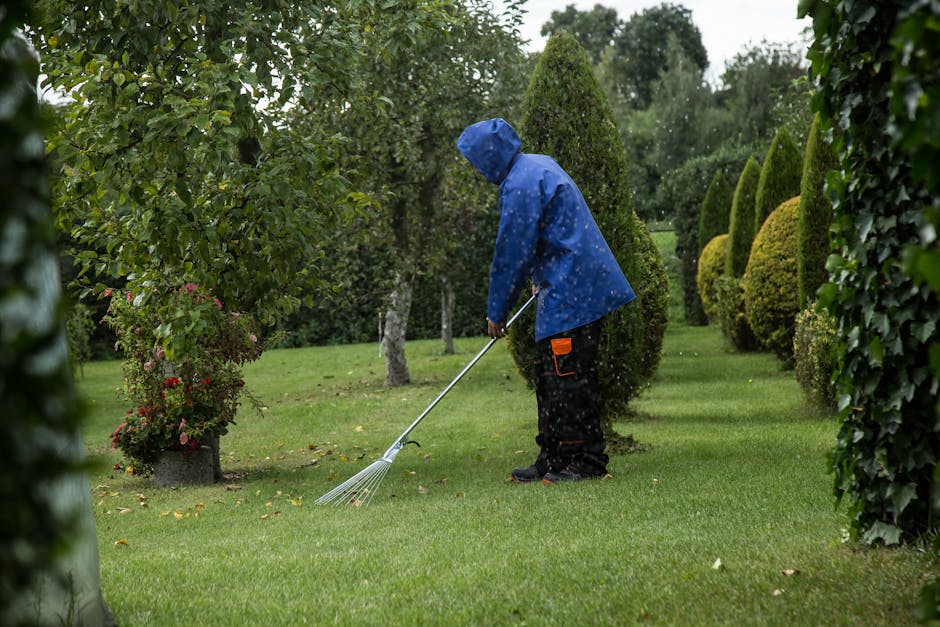
The cost question matters because seasonal maintenance is rarely just one job. Spring often means clearing winter debris, cutting back damaged growth, refreshing beds, and checking lawns. Summer usually shifts toward mowing, edging, watering routines, hedge trimming, and keeping everything from looking shaggy by Friday afternoon. Autumn brings leaf clearance, pruning, and getting the garden ready for wetter weather. Winter may be quieter, but it still needs attention if you want to avoid a bigger bill later on.
Woodford Green gardens can be wonderfully varied. Some are compact and formal, others are long family gardens with fencing, mature shrubs, or tired lawns that need proper attention. That variety affects pricing. So does access. If tools need to be carried through a house, if waste is awkward to remove, or if the job needs extra time because the back gate is narrow, the cost naturally rises. It's not unfair; it's just reality.
What many people miss is that seasonal garden maintenance is partly about prevention. A small amount of work done at the right time can save a much more expensive repair later. A neglected hedge can become a hard cutback job. A lawn left too long can thin out and need renovation. Leaves left piled up can create slippery paths and patchy grass. Tiny problems have a habit of turning into expensive ones, and garden work is no exception.
For homeowners, landlords, and busy families, understanding the real cost helps with planning. It also makes quotes easier to compare. A cheap quote with vague wording can end up costing more if waste removal, labour time, or specialist work is added later. A clear quote, by contrast, gives you confidence. If you're comparing broader upkeep options, it can also help to review pricing and quotes alongside the range of gardening services available.
How real cost of seasonal garden maintenance in Woodford Green works
At its simplest, seasonal garden maintenance is a planned set of jobs carried out at points during the year when the garden needs them most. In practice, this usually means a combination of labour, equipment, waste handling, and sometimes specialist work. That's the cost structure. Simple enough, but the details matter.
Most providers will look at a few core pricing factors:
- Garden size - larger gardens take longer and may need more than one visit.
- Condition - a well-kept garden is quicker to maintain than an overgrown one.
- Season - autumn clearance can be far more labour-heavy than a standard summer tidy.
- Job type - mowing is different from hedge trimming, and both are different from tree work.
- Waste disposal - green waste may be included, or billed separately depending on volume.
- Access and logistics - stairs, narrow side passages, or parking issues can all affect time on site.
That's why two neighbours on the same street can pay very different amounts. One may need a quick weekly mow and edging. The other may need an initial reset, a few hours of pruning, green waste removal, and follow-up visits. Same postcode. Very different workload.
There is also a difference between one-off seasonal work and routine maintenance. A one-off spring clear-up can be more expensive per visit because it involves more catch-up work. Regular seasonal care, arranged in advance, often works out more efficiently because the garden is being kept in shape rather than rescued at the last minute. Truth be told, the "let it go for a while and sort it all out in one go" approach usually costs more in the end.
If a garden needs a deeper reset, you may be looking at services such as garden clearance, lawn care, hedge trimming, or even tree surgery. Those jobs can sit within seasonal maintenance, but they are often priced differently because they require more time, skill, or waste handling.
Key benefits and practical advantages
Seasonal garden maintenance is not just about having a tidy space. There are practical, financial, and even emotional benefits. Let's face it, nobody enjoys staring out of the kitchen window at a garden that looks like it needs a machete. A maintained garden feels easier to live with.
- Lower long-term costs: regular upkeep usually prevents expensive catch-up work.
- Better plant health: pruning, feeding, and lawn care at the right time support stronger growth.
- Safer paths and borders: clearing leaves and overgrowth reduces slips and trip hazards.
- Improved kerb appeal: useful for homes on the market, rental properties, or simply pride in the place.
- Less stress: you do not have to sacrifice a whole Saturday to wrestle with a hedge and a wheelbarrow.
- More predictable budgeting: planned work is easier to manage than emergency tidy-ups.
There's also a less obvious gain: consistency. Gardens respond well to rhythm. A summer lawn cut every two weeks, rather than every six, stays healthier and more even. An autumn leaf sweep done regularly is faster than a once-a-month battle with wet, compacted mess. Small, steady input tends to beat occasional heroic effort.
For many households in Woodford Green, that rhythm matters because time is tight. You may have family commitments, work travel, or simply better things to do on a Sunday than rake damp leaves in the drizzle. In that sense, seasonal maintenance buys back time as much as it maintains the garden itself.
Who this is for and when it makes sense
Seasonal maintenance makes sense for a surprisingly wide mix of property owners and garden types. It is not only for people with large ornamental gardens or endless flower borders. In fact, some of the strongest reasons to book regular care come from very ordinary situations.
You may benefit if you are:
- a homeowner who wants the garden to stay manageable throughout the year;
- a landlord or letting agent looking to keep outdoor space presentable between tenancies;
- a busy family with a lawn, hedges, and not much spare time;
- an older homeowner who finds larger jobs physically demanding;
- a property owner preparing for sale or a new tenancy;
- someone whose garden gets hit hard by leaves, shade, or fast-growing hedges.
It also makes sense after a period of neglect. If the garden has been left alone through winter, or work has stacked up during a busy summer, a structured seasonal visit can get things back under control without trying to do everything at once. Sometimes the best answer is not a dramatic makeover. It's just a proper reset, followed by a realistic plan.
There's a common mistake here: assuming every garden needs the same level of attention. A small courtyard with pots and paving may need mostly cleaning and light pruning. A garden with mature trees may need leaf clearance, branch management, and more frequent inspections. That's why it helps to think in terms of need, not just budget.
Step-by-step guidance
If you want to estimate the real cost sensibly, start with the actual work rather than the headline price. A good quote should reflect the garden in front of you. Here's a practical way to approach it.
- Walk the garden properly. Look at lawn length, hedge density, borders, weeds, leaves, waste build-up, and access points.
- Separate routine jobs from specialist jobs. Mowing and tidying are not the same as tree work or full clearance.
- Decide what must be done now. Some jobs are urgent; others can wait until the next seasonal visit.
- Ask how waste is handled. Green waste removal can change the final price more than people expect.
- Check whether the work is one-off or recurring. A maintenance plan often gives better value than a scramble every few months.
- Compare like with like. Make sure quotes include the same level of labour, materials, and disposal.
- Plan around the season. Spring and autumn tend to be busier, so early booking can be helpful.
One practical tip: if you are unsure how much work the garden needs, ask for an initial assessment that separates urgent jobs from optional ones. That makes budgeting much easier. You can decide what to do now and what to park until the next round. Simple, but useful.
For gardens with lawns and hedging, it may also help to split the work into specialist tasks such as lawn mowing and hedge trimming. That can sometimes create a cleaner price picture than bundling everything into one vague visit.
Expert tips for better results
In our experience, the best-value seasonal maintenance is rarely the cheapest upfront. It's the one that keeps the garden in good shape without repeated emergency call-outs. That sounds obvious, but people forget it when a quote lands in front of them and all they can see is the number.
Here are a few things worth keeping in mind:
- Book before the season peaks. Spring and autumn can get busy fast, and rushed bookings are rarely ideal.
- Keep the garden accessible. The easier it is to move around, the more time is spent on actual work.
- Combine tasks where sensible. If mowing, hedge trimming, and leaf collection are needed, it may be efficient to do them in one visit.
- Be clear about the finish you want. "Tidy" and "presentation-ready" are not always the same thing.
- Watch recurring problem areas. Shady corners, damp borders, and fast-growing edges often need extra attention.
- Use maintenance to avoid bigger jobs later. A little pruning now can prevent a much bigger cutback later.
It also helps to be honest about your own use of the garden. If children, pets, or frequent guests use the space, then neatness and safety matter more than it might for a little-used side garden. If the garden is mostly decorative, the priorities may be different. That difference changes the "right" level of spend.
And here's a small but real-world observation: gardens rarely fail all at once. They drift. A missed cut here, a few weeks of wet weather there, and suddenly the whole place looks tired. The fix is usually not dramatic. It's consistency.
Common mistakes to avoid
A lot of avoidable overspend comes from simple misunderstandings. Nothing sinister, just the usual mix of optimism and a busy diary.
- Only comparing the cheapest quote: a low figure can hide limits on waste removal, labour, or visit length.
- Ignoring access issues: awkward access can add time, and that usually means extra cost.
- Leaving the garden until it is heavily overgrown: once growth gets away from you, the work becomes slower and more expensive.
- Bundling every task together without checking scope: not every gardener will price tree work, mowing, and clearance the same way.
- Assuming seasonal work is optional: a neglected garden often becomes more costly to bring back.
- Forgetting waste disposal: green waste can be a major part of the total, especially after a big cutback.
Another mistake is not asking what "maintenance" actually includes. Some people expect pruning, edging, leaf clearance, and lawn care in one package. Others assume the quote only covers a mow and light tidy. That mismatch causes frustration later. A short written scope avoids the awkward moment where everyone thinks they agreed to something different. Nobody enjoys that conversation. Not even a little.
Tools, resources and recommendations
You do not need a shed full of expensive kit to manage a garden well, but the right tools do matter. Whether you maintain the garden yourself or hire help, good equipment makes seasonal work quicker and cleaner.
Useful basics often include:
- a reliable mower for grass that grows quickly in warmer months;
- hedge shears or a trimmer for regular shaping;
- leaf rakes and garden bags for autumn;
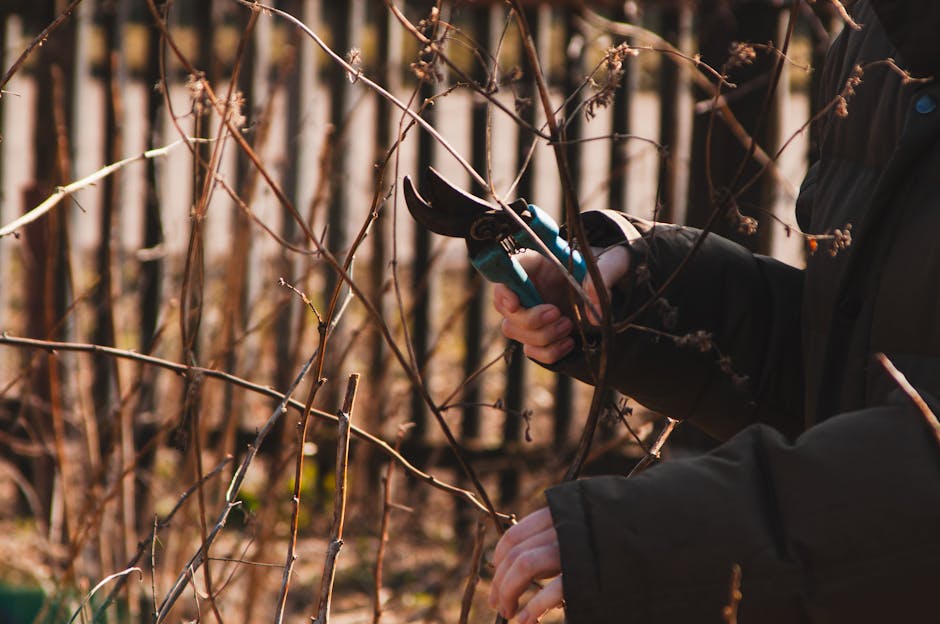
- pruners for smaller stems and dead growth;
- a wheelbarrow or garden cart for moving cuttings;
- gloves, boots, and protective eyewear where needed.
If the work becomes more demanding, specialist support is often more sensible than trying to bodge it yourself. Large hedges, awkward trees, heavy overgrowth, and repeated waste removal can be hard work. That is where professional help for lawn care, tree lopping and removal, or a full garden maintenance visit can make more sense than buying kit you will rarely use.
If you are choosing between doing it yourself and hiring someone, be honest about time, energy, and disposal. A Saturday spent on the garden is not just a cost in money. It is a cost in time, energy, and sometimes a bit of backache too. That matters.
Law, compliance, standards, or best practice
For most domestic garden maintenance, the main concerns are practical rather than legal. Even so, good providers should still work safely, dispose of waste properly, and communicate clearly about what they are doing. In the UK, outdoor work should be approached with ordinary care around tools, ladders, cuttings, sharp edges, and trip hazards.
If a job involves tree work, the safety bar is higher. Trees, especially mature ones, can involve falling branches, unstable sections, and risk near buildings, fences, and neighbouring property. That is one reason tree surgery should be handled by people with proper experience and appropriate insurance. The same goes for anything near walls, paving, decking, or boundary structures. A tidy cut is good; a careless cut that damages a fence is not.
Good practice also includes:
- clear scoping before the job starts;
- safe use of equipment;
- reasonable housekeeping on site;
- careful waste handling;
- transparent pricing and terms;
- appropriate insurance and safety awareness.
For customers, a useful check is whether the provider can explain how they handle safety and waste in plain English. If the answer is vague, that's a yellow flag. Not a disaster, but worth noticing.
If you want to understand how a provider approaches these issues, it can help to review their insurance and safety information and the practical detail in their health and safety policy. That is not about paperwork for paperwork's sake. It is about protecting your property and reducing avoidable headaches.
Options, methods, or comparison table
Seasonal garden maintenance can be bought in a few different ways. The best choice depends on how much structure you want, how busy the garden is, and whether you prefer regular small visits or occasional bigger jobs.
| Approach | Typical use | Strengths | Trade-offs |
|---|---|---|---|
| One-off seasonal tidy | Spring reset, autumn clear-up, pre-sale preparation | Quick, flexible, good for immediate problems | Can be more expensive per visit if the garden is heavily overgrown |
| Routine maintenance plan | Lawns, borders, hedges, and light seasonal work throughout the year | Predictable cost, better long-term results, less catch-up work | Requires ongoing commitment |
| Task-by-task booking | Separate mowing, trimming, clearance, or tree work | Clear scope, easy to compare prices | Can become less efficient if many jobs are needed |
| Full garden recovery | Neglected gardens, rental resets, overgrowth, boundary problems | Transforms a tired garden quickly | Usually the highest cost and most labour-intensive option |
In practical terms, routine maintenance is often the best value for a lived-in family garden. One-off tidies suit people who need occasional help or are preparing a property for something specific. Full recovery work is the rescue mission; useful, sometimes necessary, but not something you want to repeat every year.
Case study or real-world example
Imagine a typical Woodford Green rear garden after a wet autumn. The lawn is a bit long. Leaves have collected along the fence line. Two shrubs need a tidy shape, and the side path is slippery with debris. Nothing dramatic, but enough to make the whole garden feel tired.
In that kind of situation, the work might be split into mowing, border clearing, hedge trimming, and waste removal. If the owner has left it until the garden looks visibly messy, the visit will take longer than a routine seasonal check-in. The final cost will reflect the extra labour and the amount of waste taken away. Fair enough.
Now compare that with a property that has been maintained lightly every few weeks. The same garden at the same time of year might only need a shorter visit: light mowing, a leaf sweep, a trim here and there. The difference in cost is not just about the size of the garden. It's about the condition it was allowed to reach.
That is the real lesson. Seasonal maintenance rewards consistency. A small amount of planned effort usually costs less than a large amount of catch-up work. It also keeps the garden nicer to use day to day, which is the bit people actually enjoy.
Practical checklist
Use this before you request a quote or book a seasonal visit.
- Check garden size and note any awkward access points.
- List the jobs you want done now, and the jobs that can wait.
- Look for overgrown areas, heavy leaf build-up, and lawn damage.
- Decide whether you need a one-off tidy or recurring maintenance.
- Ask whether waste removal is included.
- Confirm if any specialist work is required, such as tree or hedge work.
- Make sure the quote matches the scope you discussed.
- Review safety, insurance, and payment terms before agreeing.
- Consider booking ahead for spring and autumn, when demand tends to rise.
- Keep notes so you can compare like with like next season.
Expert summary: the cheapest seasonal garden quote is not always the best value. The real cost is the full picture: labour, waste, access, timing, and how much catch-up work is needed. Keep the garden from drifting too far, and you will usually spend less while getting better results. That's the sweet spot.
Conclusion
The real cost of seasonal garden maintenance in Woodford Green is best understood as a combination of need, timing, and consistency. A small, regular effort keeps most gardens manageable and reduces the risk of expensive overgrowth, waste-heavy clear-ups, or rushed last-minute work. If your garden has been neglected for a while, that is fine too. The main thing is to price the job properly and match the work to the season.
Look for clear scopes, realistic expectations, and a maintenance pattern that suits how you use the space. If the garden feels like one more thing on an already crowded list, a sensible seasonal plan can bring it back under control without drama. And honestly, that relief is worth a lot on its own.
Get a free quote today and see how much you can save.
Frequently Asked Questions
What is included in seasonal garden maintenance?
It usually includes tasks such as mowing, hedge trimming, leaf clearance, pruning, edging, and general tidy-up work. The exact mix depends on the garden and the season, so it is worth checking the scope before booking.
Why does the cost change so much between gardens in Woodford Green?
Because gardens are rarely the same. Size, access, overgrowth, waste volume, and the type of work needed all affect the time involved. A neat, regularly maintained garden is usually cheaper to look after than one that has been left for months.
Is a one-off seasonal tidy cheaper than regular maintenance?
Not always. A one-off visit can cost more per job if there is a lot of catch-up work. Regular maintenance often gives better value because the garden stays manageable and each visit is more efficient.
How often should seasonal garden maintenance happen?
That depends on the garden. Some spaces need monthly attention during the growing season, while others only need a few visits a year. Lawns and hedges often need more regular care than beds or hard landscaping.
Does waste removal affect the price?
Yes, quite often. Green waste can add to labour and disposal time, especially after pruning or clearance work. Always check whether waste removal is included or charged separately.
What makes a quote reliable?
A reliable quote should explain what is included, what is not, and whether waste, specialist work, or extra labour could add to the total. Clear wording is usually a better sign than a very low figure with no detail.
Can seasonal maintenance help avoid expensive repairs?
Yes. Regular upkeep can reduce the risk of overgrown hedges, damaged lawns, blocked drains from leaf build-up, and safety problems on paths or borders. Preventive care is usually much cheaper than rescue work.
Do I need specialist help for trees?
For larger trees, awkward branches, or work near buildings and fences, specialist help is usually the safer choice. Tree-related jobs are more complex than simple pruning and often require more care, equipment, and insurance.
What is the difference between garden clearance and garden maintenance?
Garden maintenance is about keeping things in shape through the year. Garden clearance is more of a reset: removing overgrowth, debris, and accumulated waste when the garden has fallen behind.
How can I reduce the cost of seasonal garden work?
Keep the garden accessible, book before the busiest periods, and avoid letting everything build up. Combining jobs sensibly can also help. A little regular attention usually saves money in the long run.
Is autumn more expensive than summer for garden maintenance?
It can be, because autumn often involves more leaf clearance and waste handling. That said, the exact cost depends on the garden and how much material has built up. Weather and timing can change things quite a bit.
Where should I start if my garden has been neglected?
Start with a proper assessment of what needs doing now versus later. If the space is heavily overgrown, a clearance visit or a structured maintenance reset is usually the most practical first step.