Gardeners for IG8 terraces near Woodford Station: practical help for compact London gardens
If you live in an IG8 terrace near Woodford Station, you already know the garden can be both a blessing and a bit of a puzzle. Space is often narrow, soil can be tired, privacy is precious, and the wind seems to find every loose pot on the patio. That is exactly where Gardeners for IG8 terraces near Woodford Station make a real difference: not by imposing a one-size-fits-all plan, but by shaping the garden around how terrace homes actually work.
In this guide, we look at what terrace gardening involves, how a local gardening service usually approaches it, and what smart improvements bring the most value over time. You will also find a practical checklist, a comparison table, and answers to the questions people really ask before booking help. If you want a garden that feels calmer, easier to manage, and more useable all year round, you are in the right place.
Table of Contents
- Why Gardeners for IG8 terraces near Woodford Station Matters
- How Gardeners for IG8 terraces near Woodford Station Works
- Key Benefits and Practical Advantages
- Who This Is For and When It Makes Sense
- Step-by-Step Guidance
- Expert Tips for Better Results
- Common Mistakes to Avoid
- Tools, Resources and Recommendations
- Law, Compliance, Standards, or Best Practice
- Options, Methods, or Comparison Table
- Case Study or Real-World Example
- Practical Checklist
- Conclusion
- Frequently Asked Questions
Why Gardeners for IG8 terraces near Woodford Station Matters
Terrace gardens in IG8 tend to share a familiar set of challenges. They are often compact, overlooked from neighbouring homes, and exposed to a surprising mix of shade, reflected heat, and gusty corners. That combination can make even a small patch of green feel harder to manage than a much larger suburban plot. Truth be told, a terrace garden can go from charming to chaotic quite quickly if it is left without a proper plan.
Local gardeners understand those constraints. They are not just trimming plants and clearing weeds; they are solving everyday problems like blocked paths, patchy lawns, climbing plants that have taken over, and planting schemes that look lovely in spring but fall apart by November. For terrace homes near Woodford Station, the goal is usually simple: make the outside space feel bigger, tidier, and easier to enjoy.
This matters because a terrace garden is often visible from the house every single day. If the first thing you see from the kitchen is a weedy bed or a tired fence panel, the whole home can feel a little less settled. A considered garden service restores that sense of order. It can also increase usability, whether that means space for children to play, a small table and chairs, or just a quiet place to sit after a busy commute.
Local knowledge also helps with planting choices. London gardens can be warmer than expected in sheltered spots, but they can also suffer from poor drainage, compacted soil, and fast-drying borders. A good gardener will balance appearance with resilience, using schemes that can cope with real conditions rather than ideal ones. For ideas on low-maintenance planting that still looks full and attractive, many homeowners find it useful to explore ground covers that keep borders tidy and vibrant.
How Gardeners for IG8 terraces near Woodford Station Works
Most terrace garden projects start with a simple walkthrough. The gardener looks at access, layout, light levels, soil condition, existing structures, and the amount of upkeep the homeowner is realistically prepared to do. That first assessment matters more than people think. A beautiful planting plan is useless if the front corner is always in shade or if the rear bed dries out every warm spell.
After that, the work usually falls into a few distinct stages:
- Assessment and priorities - identifying the most urgent issues, such as overgrown hedges, damaged borders, slipping paving, or overcrowded beds.
- Clearance and reset - removing weeds, litter, dead growth, and anything that is making the space feel cluttered or unhealthy.
- Structure first - tidying fences, edges, paths, patios, and vertical surfaces before thinking about plants.
- Planting or reshaping - adding shrubs, climbers, herbs, seasonal colour, or evergreen structure to suit the terrace layout.
- Maintenance rhythm - setting a sensible routine for mowing, hedge care, pruning, feeding, and seasonal adjustments.
That structure is especially useful in terrace gardens because small spaces can look good fast when the bones of the garden are right. A neat fence line, a clean patio, and a few purposeful planting zones can completely change how the space feels.
In practice, local gardeners often work with a mixture of tasks rather than a single service. One visit might involve hedge trimming, patio cleaning, and border maintenance together. Another might focus on planting up containers, improving privacy, or restoring a neglected lawn. If your terrace garden includes multiple surfaces and levels, it can help to see the wider range of gardening services available for mixed outdoor spaces.
There is also a seasonal element. In winter, protection and drainage matter more. In spring, structure and growth control take centre stage. Summer is usually about water management and keeping things presentable, while autumn is the time to reset, mulch, prune lightly, and prepare for colder weather. A service that understands this cycle will feel more responsive and less reactive, which is what most people actually want.
Key Benefits and Practical Advantages
The main benefit of using Gardeners for IG8 terraces near Woodford Station is not simply that the garden looks better on the day. It is that the space becomes easier to live with. That is a subtle but important difference.
- Better use of limited space - terrace gardens need clear zones. A smart layout can make a narrow area feel wider and more functional.
- Improved privacy - screening with climbers, hedges, or layered planting can soften overlooking from adjoining homes.
- Less ongoing maintenance - the right planting mix reduces constant tidying and emergency fixes.
- Healthier plants - better soil, pruning, and watering habits make a big difference in compact gardens.
- Safer surfaces - clean patios, stable decking, and clear paths reduce slips and trip hazards.
- More seasonal interest - a good gardener plans for more than one good month a year.
Another advantage is confidence. Many homeowners know something feels off in the garden, but not exactly what. Maybe the borders are too empty, or the climbers are too aggressive, or the lawn is hanging on by a thread. A skilled gardener can spot the root problem quickly and explain it in plain English. That saves time, money, and a lot of guesswork.
There is also the emotional side, which people rarely say out loud. A pleasant terrace garden can become a proper breather after a packed day. You step out for five minutes, hear a bit of birdsong, smell damp soil after rain, and suddenly the place feels like part of home rather than an afterthought. Small thing, maybe. But not really small at all.
For homes that want a more design-led feel, it is worth considering vertical planting and smart screening. The visual payoff can be surprisingly big in a compact footprint, especially when paired with well-chosen seating and a tidy hardscape. A useful companion read is this guide to vertical gardens and space-saving design.
Who This Is For and When It Makes Sense
This kind of service is a strong fit for a wide range of terrace-home situations. You do not need a grand garden to benefit. In fact, smaller spaces often gain the most.
You may want professional help if:
- your terrace garden has become overgrown or neglected;
- you want more privacy without building something heavy or permanent;
- the space feels too bare, too dark, or awkwardly arranged;
- you need regular upkeep but do not have time to manage it yourself;
- you are preparing to sell or let the property and want it to look cared for;
- you have children, pets, or frequent guests and need the layout to be practical as well as attractive.
It also makes sense if you are starting from scratch. A newly bought terrace property often has a garden that is either too tired to use or too basic to feel welcoming. A gardener can help you avoid the classic "buy a few plants and hope for the best" approach. To be fair, most of us have been there at least once.
For families, the priorities often shift toward durability, safety, and visibility. For dog owners, the issue might be a hard-wearing lawn or clear boundaries. For people who travel a lot, the priority is usually low maintenance and seasonal resilience. If any of that sounds familiar, the best first step is usually to get the structure right before worrying about the decorative details.
Homeowners looking for more budget-friendly ideas may also benefit from low-cost, easy-care garden improvements, especially when the main goal is to tidy and refresh rather than fully redesign.
Step-by-Step Guidance
If you are planning work in a terrace garden near Woodford Station, a simple process keeps things manageable and avoids expensive detours. Here is a practical approach that works well in real life.
1. Start with the problem, not the plant
Ask what is actually bothering you. Is it privacy? Weeds? A poor lawn? A dull patio? Waterlogging? Once the main problem is clear, the right fix becomes much easier to spot. People often rush to plant shopping when the real issue is structural. Easy mistake. Very common.
2. Measure the usable space
Know where people can comfortably walk, sit, store bins, or place containers. In terrace gardens, a layout that looks good on paper can feel cramped if circulation is poor. Leave enough room for opening doors, carrying tools, and moving around without brushing past every pot.
3. Deal with the hard surfaces first
Patios, paths, steps, decking, and fence lines create the framework. Cleaning and repairing these areas first gives the garden an immediate lift and makes later planting decisions easier. A stained patio or mossy path can drag down the entire space.
4. Create one or two strong focal points
In a compact garden, too many features create noise. One attractive seating area, a neat border, or a vertical planting display is often enough. If shade is an issue, shade-tolerant climbers and layered evergreens can create structure without feeling heavy. For that, evergreen climbers for shady corners are a useful reference point.
5. Choose plants for conditions, not wishful thinking
It is tempting to pick the prettiest plant on the shelf. But terrace gardens reward practical choices. Use plants that suit sun, shade, wind, and exposure. If privacy is the main concern, look at screening plants with sensible growth rates. If you want movement and texture, go for layers rather than a single hedge wall.
6. Build in maintenance from day one
Good garden design should be maintainable by the people who actually live there. That means enough access to prune, enough space to water containers, and enough consistency in planting to stop the garden becoming a weekly firefight. A clever layout should save effort, not create more of it.
7. Review the garden after one season
Many terrace gardens look fine immediately after work, then reveal their real habits after a few months. Where does water collect? Which plant sulks? Which border is suddenly too bare? A seasonal review is how a good garden becomes a great one.
Expert Tips for Better Results
Most terrace gardens benefit from restraint. That may sound boring, but it is usually the difference between polished and chaotic.
- Keep the palette simple - repeated materials and repeated plant shapes make a small garden feel calmer.
- Think vertically - walls, fences, and trellises are valuable real estate in terrace gardens.
- Use containers intentionally - not as leftovers, but as part of the design.
- Mix evergreen with seasonal change - you want the garden to work in February as well as June.
- Plan for drainage - especially near paving edges and in heavy clay pockets.
- Prune before plants become a nuisance - once a climber starts behaving like a houseguest who has overstayed, it is harder to correct.
One tip people often overlook is seating. Even a small bench or compact bistro set changes how a terrace garden is used. It stops the area being "the back bit" and turns it into a destination. For layout ideas, good garden seating principles are worth a look.
Another overlooked detail is winter readiness. London can still bring sharp cold snaps, wet roots, and wind damage. Protecting tender plants before the weather turns is much less stressful than rescuing them later. A practical guide to winterproofing garden plants can help you think ahead without overcomplicating things.
If your terrace gets battered by exposed winds, screening and planting choices become even more important. A sheltered feel is not just about comfort; it also helps plants establish properly. For that reason, some homeowners look into wind-resistant garden planning early in the process.
Common Mistakes to Avoid
Terrace gardens are forgiving in some ways and brutally honest in others. Small mistakes show up fast.
- Overplanting - too many plants in a small area quickly make it feel crowded and harder to maintain.
- Ignoring light - a sunny patio and a shaded rear border need different planting plans.
- Choosing thirsty plants for dry spots - containers and walls can dry out faster than you expect.
- Letting ivy or climbers run wild - they can become a structural issue, not just a visual one.
- Using the wrong lawn expectations - some terrace lawns are too shaded or narrow for a lush, traditional finish without constant effort.
- Skipping cleanup before redesign - if the base is messy, the new design will never quite settle.
Ivy deserves a special mention. It can look lovely, until it starts creeping into gutter lines, fence joins, or brickwork joints. If that sounds uncomfortably familiar, it is worth reading about safe, lasting ivy removal before the plant gets any ideas of its own.
Another common issue is underestimating weeds. In a compact space, even a modest weed problem can make everything look neglected. A targeted approach usually works better than occasional frantic pulling. For a straightforward framework, see practical weed management tips.
Tools, Resources and Recommendations
You do not need a van full of kit to maintain a terrace garden well, but a sensible toolkit helps a lot. The right tools save time, reduce damage, and make routine work much less annoying. Yes, annoying. Gardening can be idyllic and mildly irritating in equal measure.
Useful basics include:
- sharp secateurs for light pruning and deadheading;
- a sturdy pruning saw for thicker branches;
- a hose or watering can with a rose for gentle watering;
- a spade and trowel for planting and edging;
- gloves that actually fit;
- a broom and outdoor scraper for patios and paths;
- a wheelbarrow or garden trug for clearing debris;
- basic supports, ties, and canes for climbers and tall plants.
If you are tackling a larger tidy-up, it helps to use a full equipment checklist rather than improvising halfway through. A good reference is the ultimate gardening gear checklist, especially if you are planning to do a lot of the light maintenance yourself.
For regular upkeep, many terrace homeowners separate the work into three categories: weekly touch-ups, monthly care, and seasonal projects. Weekly work might be sweeping and deadheading. Monthly work might be hedge trimming or lawn care. Seasonal work could include planting, soil improvement, or a partial redesign. That rhythm is usually more realistic than trying to keep everything perfect all the time. Because honestly, who does that?
If your focus is more on the lawn side of the garden, dedicated lawn care support and regular mowing can stop small problems turning into a scruffy, patchy mess. For patios, a professional patio cleaning service can refresh the whole garden with very little visual effort on your part.
Law, Compliance, Standards, or Best Practice
For most domestic terrace gardens, the main concerns are not complicated legal issues, but sensible working practices and property awareness. Still, it is wise to keep a few things in mind.
First, any work near boundaries, fences, shared walls, or overhanging branches should be handled carefully and respectfully. If a hedge or tree straddles responsibility between properties, it is best to agree on the plan before cutting aggressively. Common sense goes a long way here, and it prevents the kind of neighbourly tension nobody wants.
Second, if a service involves ladders, power tools, heavy lifting, or tree work, the team should follow appropriate safety procedures. That is especially relevant in tightly packed terrace streets where access can be awkward and garden routes may be narrow. A professional approach should include proper risk awareness, clear communication, and safe handling of equipment. You can review broader company commitments through the site's insurance and safety information and health and safety policy.
Third, if you are commissioning landscaping, fencing, or tree surgery, make sure expectations are written down clearly. This is not just about legal neatness; it protects both sides from misunderstandings. Good practice means agreeing what will be done, what will not be done, and how waste will be handled. The same applies to pricing, access, and timing. A clear quote is always calmer than a vague promise.
For service transparency and customer confidence, it is also sensible to understand the business terms before booking. The pages on pricing and quotes, terms and conditions, privacy policy, and payment and security can help set expectations in a straightforward way.
Options, Methods, or Comparison Table
There is more than one way to improve a terrace garden. The right option depends on budget, time, and how much change you want at once. Here is a simple comparison.
| Approach | Best for | Pros | Trade-offs |
|---|---|---|---|
| Regular maintenance only | Gardens that are basically sound but need tidying | Lower disruption, keeps things under control | Won't solve deeper layout or privacy issues |
| Targeted improvement work | Specific problems like weeds, hedges, tired beds, or patchy lawns | Good value, clear outcomes | May still leave some design limitations in place |
| Partial redesign | Terraces that need a stronger layout or better use of space | Better flow, stronger visual impact | More planning required, usually higher cost |
| Full garden makeover | Neglected or poorly arranged gardens needing a fresh start | Most transformative result | More time, more budget, more decisions |
As a rule, many homeowners start with maintenance plus a few targeted upgrades. That keeps the garden usable while building toward something more ambitious later. For example, you might start with clearance and hedge work, then add privacy planting and a seating area in a second phase. Sensible. Less stressful too.
If your garden needs stronger screening, there are also planting-led options that can soften views without making the space feel boxed in. Fast-growing shrubs, carefully chosen climbers, and layered evergreen shapes can work very well together. A helpful starting point is plants for a privacy screen, and for shaping hedges elegantly, hedge trimming techniques can show what is possible.
Case Study or Real-World Example
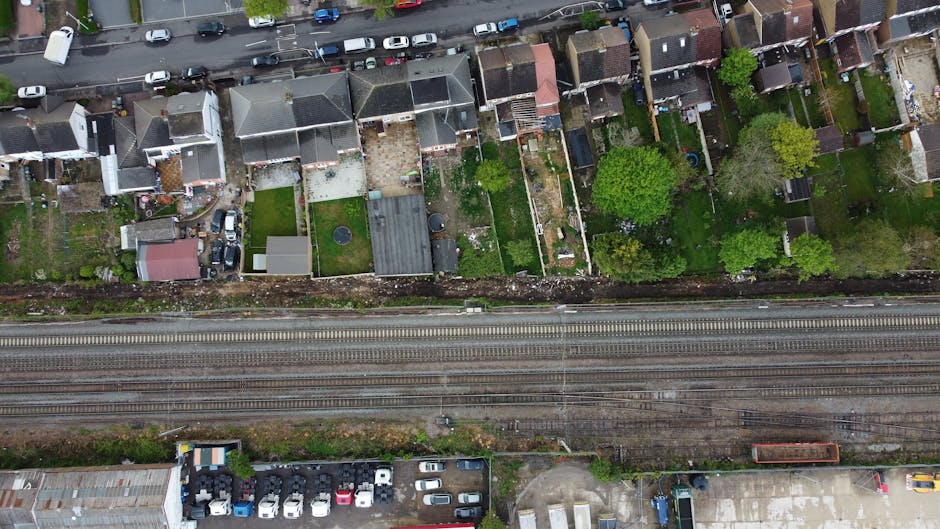
Imagine a typical IG8 terrace garden: a narrow rear space with a small patio close to the house, a tired strip of lawn, a couple of overgrown climbers, and a back fence that feels far too close. The homeowner wants less mess, more privacy, and somewhere to sit with a cup of tea in the evening. Nothing extravagant. Just decent, usable space.
The first visit focuses on clearing the clutter and identifying what is salvageable. The lawn is assessed honestly. If it is patchy and shaded, it may be more realistic to reduce it or reshape it rather than keep trying to force it into perfection. The patio is cleaned, the fence line is tidied, and the climbers are cut back and retrained properly. Then a planting plan is added with structure in mind: evergreen stems at the back, softer planting in the middle, and a few containers for seasonal colour near the seating area.
By the end of the process, the space feels more open, despite having more plants in it. That sounds contradictory, but it happens all the time. The reason is simple: the garden has clear edges, fewer visual interruptions, and better balance. There is room to move, room to sit, and room for the eye to rest.
The best result was not just visual. The homeowner no longer had to spend every weekend battling ivy, sweeping debris, and wondering where to start. The garden became maintainable, which is really the whole game.
Practical Checklist
Use this checklist before starting work or booking help. It keeps the project grounded and stops the usual last-minute scrambles.
- Identify the main problem: privacy, clutter, weeds, shade, lawn condition, or access.
- Measure the usable area and note any awkward corners.
- Check where the sun falls during the day.
- Look for drainage issues, puddling, or very dry spots.
- Decide whether you want low maintenance, a redesign, or both.
- List any plants you want to keep.
- Check fences, patios, steps, and decking for damage.
- Think about seating, storage, children, pets, or entertaining.
- Set a realistic upkeep level for yourself.
- Ask for a clear scope, timeline, and quote before work begins.
Expert summary: The best terrace garden work is usually practical first and decorative second. If the structure is right, the planting becomes easier. If the maintenance plan is realistic, the garden stays pleasant for longer. That is the sweet spot.
Conclusion
Gardeners for IG8 terraces near Woodford Station are at their most valuable when they help a compact outdoor space feel calm, purposeful, and easy to live with. Terrace gardens do not need to be oversized to be rewarding. They just need the right balance of structure, planting, and maintenance. Once that balance is in place, the whole home benefits.
Whether your priority is privacy, a tidier patio, a healthier lawn, or a more welcoming place to sit in the evening, a thoughtful approach makes a visible difference. The best results usually come from steady improvements rather than dramatic gestures. A little planning, a little discipline, and a gardener who understands small-space realities can go a long way.
If you are ready to turn a cramped or tired terrace into something genuinely useful, start with the basics, ask for clear advice, and choose improvements that suit the way you actually live. Simple, really. And very worth it.
Get a free quote today and see how much you can save.
When a garden finally starts working with you instead of against you, it changes the feel of the house in a quietly lovely way.
Frequently Asked Questions
What do gardeners for IG8 terraces near Woodford Station usually help with?
They typically help with terrace-specific tasks such as hedge trimming, lawn care, patio cleaning, planting, pruning, weed control, privacy screening, and general maintenance. The exact mix depends on the garden and how much work it needs.
Are terrace gardens harder to maintain than larger gardens?
In some ways, yes. Small spaces can look messy quickly, and every plant is more visible. But once the layout is right, terrace gardens can actually be easier to maintain because the work is more contained.
Can a small terrace garden still feel private?
Absolutely. Privacy planting, climbers, trellis panels, layered shrubs, and well-placed screening can make a big difference without making the space feel boxed in.
What is the best way to improve a tired terrace garden first?
Start with the basics: clear debris, tidy edges, clean hard surfaces, and remove problem growth. Then decide whether the main need is maintenance, planting, or a partial redesign. Structure first, decoration second.
How often should a terrace garden be maintained?
It depends on the planting and the season, but most terrace gardens benefit from a light weekly touch, a monthly tidy-up, and more substantial seasonal work. Faster-growing gardens may need more frequent attention.
Is lawn care worth it in a small terrace garden?
Sometimes yes, sometimes no. If the lawn has enough light and space, it can be worth keeping. If it is shaded, narrow, or patchy, a redesign with beds, paving, or planting may be more practical.
What should I ask before booking a gardener?
Ask what is included, how waste is handled, what equipment is needed, whether access is a problem, and how pricing works. A clear quote and scope always help avoid confusion later.
Can gardeners help with overgrown ivy or climbers?
Yes, and it is usually best to deal with them sooner rather than later. Overgrown climbers can hide damage, affect fences, and become difficult to control if left too long.
Do I need a full garden makeover, or just maintenance?
If the garden layout is basically fine, maintenance may be enough. If access is awkward, the garden feels cramped, or key features are missing, a makeover or partial redesign could be the better choice.
What are the biggest mistakes terrace homeowners make?
The biggest ones are overplanting, ignoring shade or drainage, choosing plants that need more care than the owner can give, and leaving structure until last. A good garden plan keeps things practical.
How do I keep a terrace garden looking good through winter?
Use evergreen structure, protect tender plants, reduce clutter, and avoid leaving surfaces slippery or waterlogged. Winterproofing is about resilience as much as appearance.
Where can I learn more about services and next steps?
You can review the broader service pages and supporting guidance on the site, then use the contact page when you are ready to discuss your own terrace garden. A short conversation is often enough to point you in the right direction.