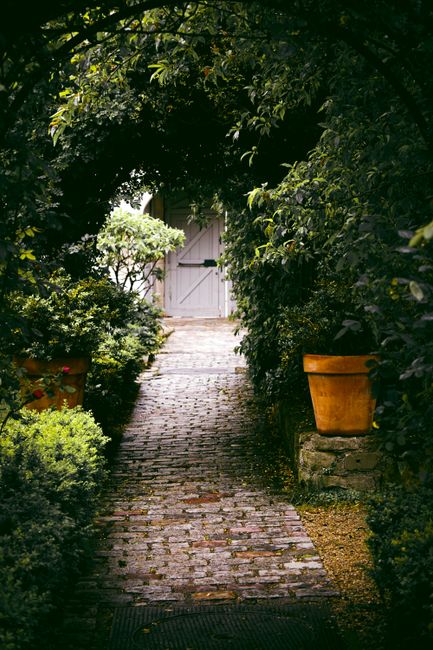
Narrow Garden Access on IG8 Common Problems Local Gardeners Cope With
If you have ever tried to get a wheelbarrow through a side passage that barely leaves room for your shoulders, you already know the issue. Narrow garden access on IG8 is not just a nuisance; it shapes every part of the job, from moving soil and tools to bringing in materials and removing waste. Local gardeners in Woodford Green and nearby IG8 streets cope with awkward gates, tight alleyways, steep steps, limited parking, and the simple fact that some gardens were never designed for modern equipment.
This guide breaks down the common problems, how experienced gardeners work around them, and which improvements make the biggest difference. Whether you are planning a tidy-up, a full refresh, or regular garden maintenance, the aim is the same: get the job done cleanly, safely, and without turning your back gate into a battleground. To be fair, a narrow access point can be frustrating, but it does not have to stop a garden project.
Why Narrow garden access on IG8 common problems local gardeners cope Matters
In IG8, narrow access changes the whole rhythm of a gardening job. A border that looks straightforward from the patio may become a logistics puzzle once you factor in sacks of compost, paving offcuts, hedge cuttings, or a bulky mower. The problem is not only inconvenience. Restricted access can increase the time required, limit the size of materials that can be used, and raise the chance of damage to fences, walls, paving, and planting beds.
Local gardeners also have to work around the practical shape of the area itself. Many homes in and around Woodford Green have side entrances, terraced layouts, long rear gardens, or gates that were fine decades ago but awkward now. Some properties have decorative planting squeezed into slim runs, which makes movement even trickier. Then there is the weather, because wet patios and muddy side paths can make already tight spaces feel even tighter.
Why does that matter? Because access affects outcome. If materials cannot get in easily, budgets stretch. If waste cannot get out cleanly, jobs overrun. And if equipment is not suited to the site, even a simple refresh can become clumsy. That is why good planning matters more here than in a garden with easy drive-up access. The site tells you how to work, not the other way around.
For many households, the solution is not brute force. It is choosing the right method, the right materials, and, sometimes, the right design direction. A space-saving layout, a more modular planting plan, or a lighter maintenance approach can make day-to-day care far easier. If the end goal is something calm and manageable, it helps to think about access right from the start, not halfway through when the bags are already at the gate.
How Narrow garden access on IG8 common problems local gardeners cope Works
When gardeners assess a tight-access property, they usually look at the job in layers. First comes movement: can tools, soil, plants, and waste be carried through safely? Next comes working space: is there enough room to lift, turn, cut, and stack? Then comes protection: how do they avoid scuffing surfaces, crushing plants, or blocking the only route in and out?
In a narrow garden, jobs are often broken into smaller stages. Instead of delivering one giant heap of materials, a team may use compact bags, smaller containers, or staged drop-offs. Instead of bringing in a large machine, they may use hand tools or smaller equipment that is easier to manoeuvre. That is not a downgrade; it is a smarter fit for the site. A bit like trying to carry shopping into a flat in one go, then realising three light trips are faster and less painful. Simple, really.
Access also affects garden design choices. Tall, dense planting can make routes feel cramped. Deep borders can be awkward if they block narrow passages. Heavy hard landscaping may be possible, but only if the route to the garden can support the delivery and installation process. In some cases, the answer is to favour modular features, vertical growing, lighter containers, or phased installation.
Here is the practical point: good gardeners do not only think about the finished look. They think about how the garden will be built, maintained, and lived with afterwards. That includes whether a person with a watering can, pruning shears, or compost bag can move comfortably through the space without knocking into everything.
Key Benefits and Practical Advantages
Planning around narrow access is not just about making life easier on the day. It creates a garden that works better long term. Once a space is shaped with movement in mind, maintenance becomes less of a chore and more of a habit.
- Less damage during work: tighter routes mean more chance of accidental scuffs, broken stems, or cracked edging unless the job is properly planned.
- Faster completion: when access is mapped out clearly, teams spend less time improvising and more time actually working.
- Safer handling: smaller loads and sensible routes reduce strain for anyone carrying tools, waste, or materials.
- Better design choices: narrow access often nudges a garden toward cleaner layouts, smarter planting, and easier upkeep.
- Lower maintenance stress: when paths and layouts are practical, routine tasks like pruning, lawn care, and weeding feel less awkward.
There is also a value side to it. Gardens that are easier to access and maintain tend to stay looking better for longer. That may sound obvious, but in real life it matters a lot. A well-built path, a sensible gate width, or a plan for where waste goes can save repeated hassle every single season.
If you want a garden that feels attractive without demanding constant effort, access planning is one of the quiet wins. It is not flashy. It is just effective.
Who This Is For and When It Makes Sense
This topic matters for more people than you might expect. It is not only for large landscaping projects. In fact, narrow access is often most frustrating during routine maintenance, because the job seems small until you try to physically get into the space.
It makes sense to think about tight access if you have any of the following:
- a side passage that is too narrow for standard garden barrows
- a rear garden with limited entry from the house
- shared access with neighbours
- stepped or uneven routes to the garden
- heavy, overgrown planting blocking the way
- a plan for hard landscaping, turf work, or major clearance
- regular maintenance needs but awkward access for tools and waste
It is especially relevant for families, landlords, older homeowners, and anyone juggling busy schedules. If the route to the garden is awkward, maintenance tends to get delayed. Then the weeds get bigger, the hedge loses shape, and the whole job becomes more involved than it needed to be. Happens all the time.
And if you are designing from scratch or making over a tired space, this is exactly the stage where good decisions pay off. Thinking about access early is much easier than trying to repair a planning mistake later. A smart layout can make a compact garden feel spacious, even when the entry point is not.
Step-by-Step Guidance
If you are dealing with narrow access in IG8, the best approach is calm and methodical. Do not start with the heaviest material or the biggest visual idea. Start with the route.
- Measure the access properly. Check the gate width, passage width, turning space, step height, and any pinch points. Include handles, hinges, and overhanging branches because those little details matter.
- Identify what must pass through. Think about mower size, wheelbarrows, compost bags, slabs, timber, plants, and waste. What fits today may not fit during a bigger project.
- Look for obstacles. Loose paving, slippery moss, low branches, broken edging, and narrow corners can all slow the job down or create risk.
- Choose access-friendly methods. Smaller loads, modular materials, hand tools, and staged deliveries are often better than trying to move everything in one go.
- Protect the route. Use covers, boards, or temporary protection where needed so fences, steps, and patios do not take the wear and tear.
- Work from the outside in. Clear paths first, then deal with bulky waste, then finish with planting or detailing. It keeps momentum and reduces mess.
- Review the finished layout. Make sure the garden can still be maintained comfortably. If not, tweak the layout now rather than regretting it later.
A useful rule of thumb: if a job feels as if it is fighting the route into the garden, pause and rethink the method. The access is part of the project, not an afterthought.
What good planning looks like in practice
In practical terms, good planning often means splitting one large task into smaller, manageable wins. For example, a hedge reduction may be carried out in sections so the cuttings do not clog the passage. A planting refresh might use lighter containers and easier-to-lift soil bags. A patio upgrade might be delivered in stages rather than piled up at once.
If the access is extremely tight, it may also be worth looking at garden styles that naturally suit smaller routes, such as layering plants vertically. The visual result can be beautiful, and the working footprint stays sensible. The article on vertical garden ideas is a good companion read if you are considering that route.
Expert Tips for Better Results
Experienced gardeners tend to be part planner, part problem-solver. The nice thing is that many of their best tricks are plain common sense, just applied properly.
- Use lighter materials where possible. In narrow access spaces, lighter pavers, smaller pots, and modular planters reduce strain and make installation easier.
- Think seasonally. A dry spring morning and a damp winter afternoon are not the same thing. Wet surfaces and heavy waste can turn a short route into a slog.
- Keep pathways clear year-round. Don't let stored tools, old pots, or overhanging growth eat into the route.
- Choose plants that do not fight the space. Compact, slow-growing, or trained varieties often work better than broad, sprawling plants that quickly crowd the passage.
- Plan waste removal before you start. It sounds dull, but it saves time and keeps the job neat. Nobody enjoys a last-minute pile-up by the gate.
- Make maintenance easy from day one. A beautiful garden that is hard to reach often declines faster than a simpler one that can be tended easily.
There is a nice balance to strike here. You do not have to strip out every feature and make the garden plain. You just want the space to breathe. If you have shade, for example, you might use foliage that copes well in those conditions instead of forcing a high-maintenance planting scheme. The same goes for screening: fast-growing privacy plants can help, but only if they are chosen with access and upkeep in mind.
One more thing: if the route is awkward, do not overload yourself with oversized decorative ideas. A garden should feel like a place you can live with, not a puzzle you have to solve every Saturday.
Common Mistakes to Avoid
The most common mistake is underestimating the access itself. People focus on the end result, then discover the real headache is getting there. That is where delays, damaged plants, and frustration usually begin.
- Skipping measurements: guessing the width of a gate or side passage is asking for trouble.
- Ordering materials too early: if delivery access has not been checked, even the right product can become the wrong product.
- Using oversized equipment: big tools are not always better, especially when turning space is limited.
- Ignoring waste volume: hedge cuttings, soil, and old turf add up quickly. Fast.
- Overplanting cramped spaces: a busy planting scheme can make narrow access feel even tighter.
- Forgetting future maintenance: what looks pretty on day one may become awkward by month six.
Another trap is assuming that a narrow route means a compromise in quality. It does not. It just means the process has to be smarter. In fact, some of the most attractive smaller gardens succeed precisely because every detail has been chosen with care.
And yes, sometimes the fix is as simple as trimming back a hedge, clearing a path, or redesigning one awkward corner. Not glamorous, but extremely effective.
Tools, Resources and Recommendations
For narrow-access gardens, the right tools matter more than a huge toolkit. The aim is not to carry everything; it is to carry the right things without causing clutter.
- Compact hand tools: ideal for tight borders, pots, and detailed pruning.
- Foldable or narrow wheelbarrows: useful when standard barrows are too awkward for side access.
- Heavy-duty gloves and knee protection: small spaces often mean more kneeling, lifting, and close-up work.
- Tarpaulins and protective boards: handy for keeping routes clean and reducing surface damage.
- Secateurs, loppers, and saws: useful for managing overgrowth that limits movement.
- Containers and bags: better than loose piles when you need to move materials in stages.
If you are unsure what gear suits your project, the gardening gear checklist is a helpful place to sanity-check what you actually need. For planting around awkward routes, it can also help to look at container gardening tips because containers often suit narrow spaces brilliantly.
For bigger redesigns, it may be worth reading up on general garden improvement planning too. The article on starting a garden makeover gives a useful sense of how to sequence work without making the site feel chaotic.
| Method | Best for | Strengths | Trade-offs |
|---|---|---|---|
| Hand-carry staging | Very tight side access | Flexible, low risk, easy to adapt | Slower for larger jobs |
| Compact tools and small loads | Routine maintenance and pruning | Efficient, tidy, less damage | Not ideal for heavy landscaping |
| Modular materials | Paths, edging, raised features | Easier delivery and fitting | May cost more than bulk alternatives |
| Vertical or layered planting | Small gardens with limited floor space | Visual interest, efficient use of space | Needs regular care and good positioning |
Law, Compliance, Standards, or Best Practice
Most of the practical issues around narrow garden access are about safety, access rights, and sensible working practice rather than complicated regulation. Still, it is worth being careful.
Where work involves shared access, neighbouring boundaries, uneven paths, or waste handling, good communication matters. If a route crosses someone else's property or needs temporary use of a shared passage, the arrangement should be clear before work starts. That is just good practice, and it avoids unnecessary friction.
For safety, any work involving tools, lifting, cutting, or unstable surfaces should be approached with proper care. Gardeners should consider trip hazards, slippery steps, and the strain of moving heavy loads through tight spaces. In more awkward jobs, it is sensible to use methods that reduce manual handling risks rather than pushing through and hoping for the best. That rarely ends well.
From a standards point of view, the main expectation is simple professionalism: protect surfaces, respect boundaries, keep routes clear, and work in a way that does not create avoidable damage. If a garden requires specialist clearance, tree work, or fence repairs to open up access, those tasks should be approached carefully and with appropriate safety measures.
For reassurance around operational standards and site care, it can help to read a company's insurance and safety approach and its health and safety policy. If you are comparing service options, transparent pricing and quotes are also a good sign that the work will be handled properly.
Options, Methods, or Comparison Table
Different access problems need different responses. There is no one-size-fits-all fix, which is why a quick site check is so valuable before anyone starts moving soil.
| Access issue | Best response | Why it works |
|---|---|---|
| Narrow side passage | Staged carrying, compact tools, route protection | Reduces crowding and protects surfaces |
| Steep steps | Smaller loads and lighter materials | Makes lifting safer and easier |
| Overgrown entry | Initial clearance and pruning | Creates working room before bigger jobs start |
| Shared access route | Clear timing and tidy waste management | Minimises disruption to neighbours |
| Garden too small for bulky features | Vertical planting or modular layouts | Keeps the garden useful without overcrowding it |
If privacy is part of the brief, that comparison should also include planting style. A good screen should suit both the access route and the maintenance routine. For example, the privacy screen article is worth a look if you want greenery that does not turn into a maintenance monster. And if you have a shady corner that is eating into the usable space, evergreen climbers for shade may fit nicely.
Case Study or Real-World Example
Imagine a typical IG8 rear garden accessed by a narrow side passage from the front. The homeowner wants three things: a clearer layout, better planting, and a tidier patio. Nothing extravagant. The catch is that the passage is just wide enough for a person and a half-sized barrow, and there is a small step at the gate that makes delivery awkward.
In practice, a local gardener would probably start by clearing the route and checking the gate swing. Next, bulky waste would be broken down into smaller loads rather than dragged through in one heavy pile. The patio work would be scheduled before any fine planting, so the garden becomes easier to move around as the project progresses. Instead of dense planting near the passage, the design might use containers, compact shrubs, and a cleaner edge line.
The result is not just prettier. It is easier to live with. The homeowner can water plants without tripping over tools, and seasonal maintenance no longer feels like wrestling with the space. That is the real win. A tidy, workable garden that does not punish you every time you open the gate.
We see this kind of project often enough to know the pattern: once access is improved even a little, the whole garden feels calmer. The noise in the job drops. The mess drops. And oddly enough, the design gets better too.
Practical Checklist
Use this before booking work or starting a garden refresh:
- Measure the narrowest access point, not just the obvious one.
- Check gate hinges, latch clearance, and step heights.
- Note any shared passages or neighbour-facing routes.
- Identify what must go in and what must come out.
- Decide whether the project should be phased.
- Protect paving, walls, and edges where the route is tight.
- Use lighter, smaller, or modular materials where possible.
- Clear overgrowth before attempting larger work.
- Make sure waste removal has been planned, not guessed.
- Keep the finished layout easy to maintain, not just nice to look at.
Expert summary: narrow access is not a dead end. It is a design constraint, and once you respect the constraint, the garden becomes much easier to improve. In many IG8 homes, the smartest solution is a careful combination of access-friendly methods, compact materials, and a layout that leaves breathing room.
Conclusion
Narrow garden access in IG8 creates real, everyday problems: awkward movement, slower work, more careful waste handling, and a higher risk of damaging surfaces or planting. But with proper planning, those problems become manageable. Sometimes the best answer is not a bigger tool or a more ambitious layout. Sometimes it is a simpler route, a lighter material, and a garden design that respects how the space actually works.
If you are weighing up a tidy-up, redesign, or ongoing care, start by looking at the access honestly. Measure it, walk it, and think about what needs to pass through. The details matter more than people expect, and they usually save time in the end.
Get a free quote today and see how much you can save.
And if you are still mapping out ideas, take your time. A garden that works with you, rather than against you, has a quiet kind of beauty about it. That is worth getting right.
Frequently Asked Questions
What are the most common problems with narrow garden access in IG8?
The biggest issues are tight gates, narrow side passages, awkward steps, limited turning space, and difficulty moving soil, tools, and waste in and out safely. Overgrown planting can make it even harder.
Can a narrow access garden still be redesigned properly?
Yes. In many cases, a thoughtful redesign works very well. Smaller delivery loads, modular materials, vertical planting, and a phased approach can make the project much more practical.
How do gardeners move heavy materials through tight spaces?
They usually break the job into smaller loads, use lighter materials where possible, and protect the route with boards or covers. Sometimes the best method is a series of short trips rather than one large carry.
Does narrow access make garden maintenance more expensive?
It can increase labour time, especially for larger jobs, because everything takes longer to move and organise. That said, smart planning often keeps costs under control by reducing wasted effort and damage risk.
What should I measure before asking for help?
Measure the narrowest point of the route, gate width, passage width, step heights, and any corners where turning is difficult. Also note low branches, bins, stored items, and slippery surfaces.
Are there plants that suit narrow access gardens better?
Yes. Compact, slow-growing, and container-friendly plants usually fit better than large, sprawling varieties. Vertical planting and trained climbers can also work well if they are kept tidy.
Can hard landscaping be done through a narrow passage?
Sometimes, yes, but the method matters. Smaller modular units are usually easier to carry than bulk materials. For larger paving or structural work, access needs to be checked carefully first.
What is the safest way to deal with waste from a tight-access garden?
Plan waste removal before work begins, use manageable bags or containers, and avoid creating one big pile that blocks the route. Keeping the passage clear also makes the job safer.
How can I make a narrow garden feel less cramped?
Use clean lines, lighter planting near pathways, vertical features, and a layout that leaves enough movement space. Even small changes, like trimming back a hedge or improving a passage, can make a big difference.
Should I clear access before booking a garden job?
Yes, if possible. Removing clutter, trimming overgrowth, and opening up the route helps the work start smoothly. It also makes it easier for anyone quoting the job to assess the site properly.
Is narrow access a problem for regular garden maintenance?
It can be, especially if the route is blocked or uncomfortable to use. Regular garden maintenance is much easier when the access is kept clear and the layout is designed for simple movement.
Where can I get more help with an awkward garden layout?
It helps to speak with a local gardening team that understands tight-access sites and can assess the practical route as well as the design. If you need to discuss your garden, the best next step is to contact a professional who can view the space and suggest workable options.